
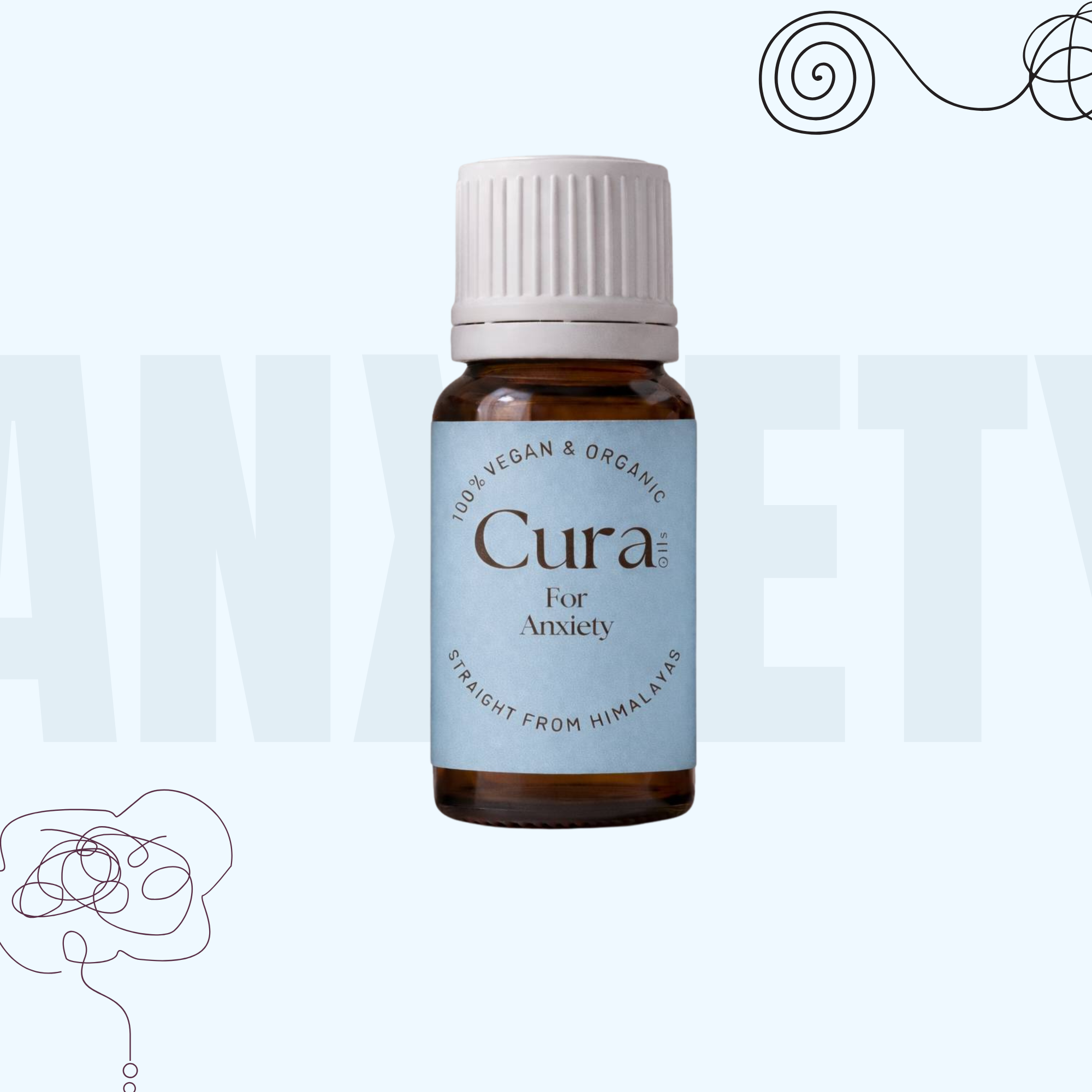
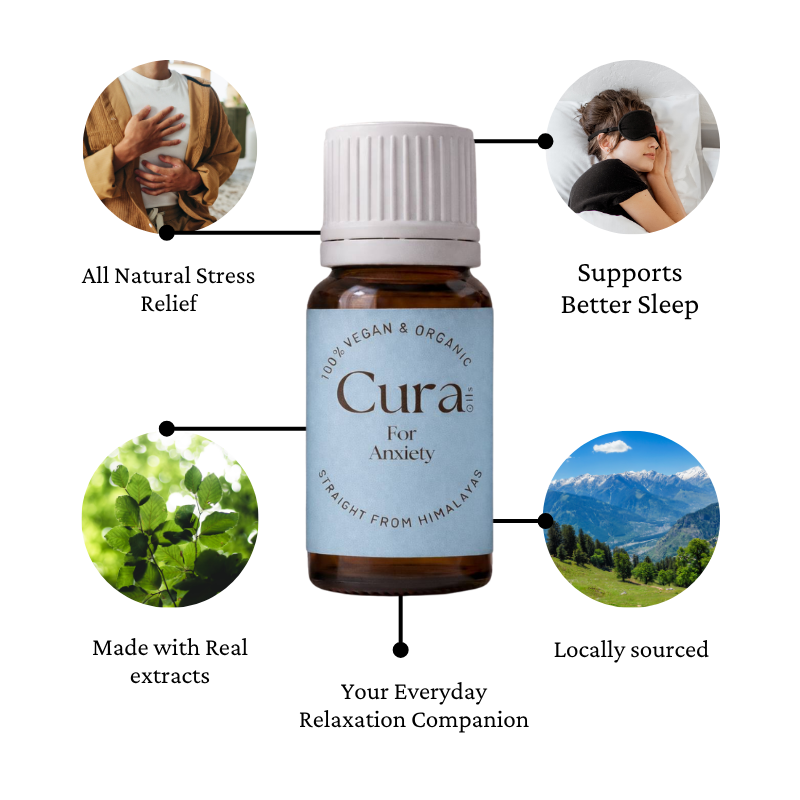
Anxiety Essential Oil
What feels like weakness? Actually a survival tool built deep inside. When danger shows up – real or imagined – the body reacts without asking permission. Instead of predators, today’s triggers sit behind screens: unpaid bills, tense texts, calendars packed too tight.
Information never stops piling up either. That constant hum of alertness isn’t broken. Just mismatched. Designed for forests and fires, now stuck handling emails and expectations. When your body reacts, it treats paperwork like predators – same panic, same rush.
This mix steps in right there, slipping past thought straight into ancient senses, whispering calm without words. Each ingredient here pulls its weight, chosen not for trend but study, easing both mind spin and bodily tension alike.
Price
What’s In This Blend — & Why
- Lavender (Lavandula angustifolia)
Out of all known essential oils, this one appears most often in clinical research on anxiety relief. Coming straight from lavender, its linalool and linalyl acetate latch onto brain cell receptors tied to calming signals – just like prescription drugs do.
These compounds quiet down overactive nerve pathways, leading to steady relaxation that feels real. Studies with proper control groups keep showing positive results when using it for ongoing anxious feelings.
- Orange (Citrus sinensis)
Minutes after breathing in sweet orange oil, d-limonene begins lowering cortisol, according to research. A sense of closeness and ease rises instead of anxiety’s tight grip.
- Grapefruit (Citrus × paradisi)
What happens when grapefruit steps in? It boosts how well orange lowers cortisol, yet brings something extra. Instead of just joining forces, it layers on calm through its own anti-anxiety traits.
Notice your body reacting – heart slowing, breath deepening, muscles letting go. That shift? Partly thanks to how grapefruit adjusts the sympathetic nervous system. Physical signs of anxiety begin to ease, not by chance, but because this oil shifts internal signals.
- Ylang Ylang (Cananga odorata)
Heart-soothing vapors slow your pulse fast. Minutes after you breathe it in, studies confirm drops in both heartbeat and pressure – easing sharp anxiety’s grip on the body. A deep calm takes hold without delay.
- Frankincense (Boswellia serrata)
Deep inside the brain, incensole acetate from frankincense touches nerve pathways tied to comfort and calm. A study in the FASEB Journal showed clear shifts – mood lifted, tension faded.
Breathing grows slow when this compound takes effect. The amygdala, always scanning for danger, settles into quiet. Stillness spreads through the mind like evening shadow.
- Angelica Root (Angelica archangelica)
Deep in the belly, tension finds a home. This oil pulls it loose. Old healing paths from India and Europe agree on its power. Calming isn’t too strong a word – trials show slowed nerve firing.
Spasms soften when it moves through muscle layers. Not just thoughts spin out of control; sometimes fear sits heavy below the ribs. That kind stays quiet until this root speaks. Rest comes differently here – not by force, but slow release.
- Cedarwood (Cedrus deodara)
Rooted calm begins here. Cedrol, found in cedarwood oil, slows brain activity through proven calming actions on nerves. Because of this shift, tension fades into stillness. Each breath pulls the quiet further into the body. The presence of cedrol lifts how long and strong the other oils work.
How to Use?
Acute anxiety or panic: Inhale directly from the bottle — hold the bottle 2–3cm below the nose and take 5 slow, deep breaths. This is the fastest delivery method and works within seconds.
Diffuser: Add 5–6 drops during periods of high anxiety. Run for 30–60 minute sessions.
Topical: Dilute 3 drops in 10ml carrier oil. Apply to the wrists, and back of neck, tailbone, and back of the ears. Press wrists together and inhale.
Apply diluted to the soles of the feet before bed.
Safety & Disclaimer
Dilute before all topical applications. Angelica root is photosensitive — avoid sun exposure on treated skin for 12 hours. Avoid during pregnancy. Essential oils are a complementary tool and are not a replacement for professional mental health treatment for anxiety disorders.
Frequently Asked Questions
-
Can essential oils cure anxiety?
Essential oils won’t fix anxiety conditions, nor take the place of therapy or medicine given by a doctor. Yet research backs their role alongside other methods, helping ease anxious feelings while calming the body’s stress responses within an overall plan for balance.
-
How quickly does this blend work for acute anxiety?
Seconds after you breathe them in, their molecules rush along the olfactory nerve straight into deep brain centers. Skin absorption takes longer – about a quarter of an hour passes before effects rise. When panic strikes, drawing breath through aromatic air hits fastest.
-
Can I use this blend every day?
Yes — with appropriate dilution for topical use. Regular use actually produces cumulative nervous system benefits over time, reducing baseline anxiety levels.
-
Is this blend safe for children with anxiety?
With appropriate dilution (0.5–1%) and avoiding ylang ylang for children under 10, this blend can be used carefully for older children. Always consult a paediatric healthcare provider before using essential oils therapeutically with children.
Related products
₹749.99
₹899.99
₹799.99
₹599.99
₹899.99
Reviews
There are no reviews yet.