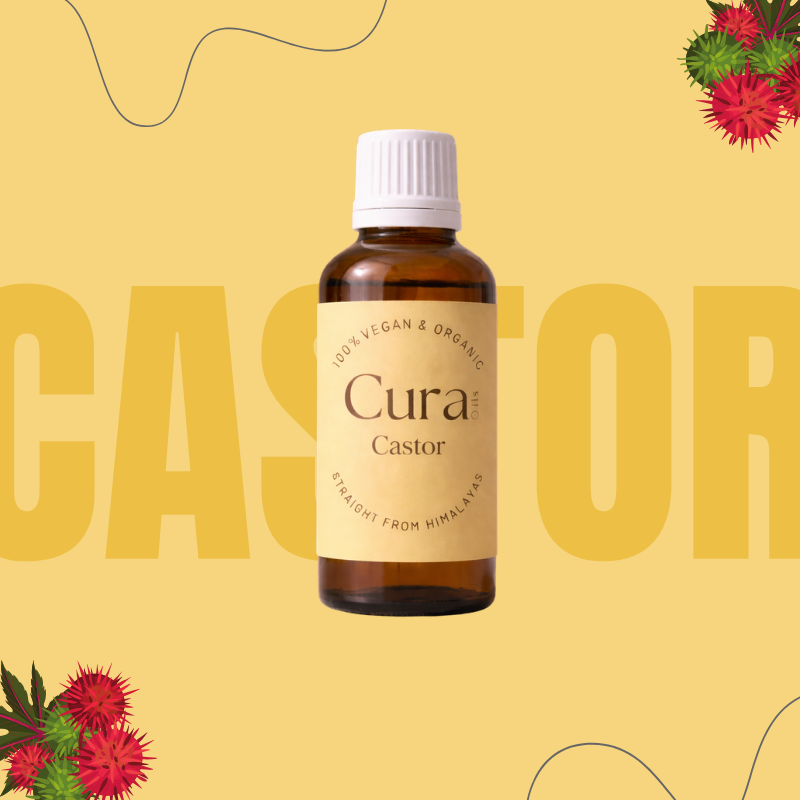
Castor Oil
Thick stuff, castor oil comes out of beans grown across warm parts of East Africa. Pale gold in color, people have rubbed it on skin or taken it internally for thousands of centuries now – think Egyptian times, also traditional Indian healing systems. What makes it different? Mostly one fatty part called ricinoleic acid, which fills up nearly all of its makeup around (85–95%).
Found in many shampoos, lotions, even lipstick, mascara, and healing ointments. Thanks to an unusual mix of fats, it calms irritation, draws moisture, seals surfaces gently. What stands out is how quietly effective it behaves across so many formulas.
Price
How Does It Work?
- Ricinoleic acid: Moisture gets pulled into the skin because of ricinoleic acid, a type of hydroxy fatty acid. From the air it draws water, helping keep levels balanced. Inflammation tends to go down when this compound is present. Microbial activity faces resistance thanks to its properties. Healing in the skin moves forward more smoothly as a result.
- Thick occlusive barrier: Heavy protection comes from castor oil because its thickness seals the surface. Moisture stays locked in thanks to that layer. Cracked heels hold up better when covered this way. Dry lips feel less tight over time. Cuticle repair moves faster under such coverage.
- Lymphatic stimulation: Some people think rubbing castor oil on the skin helps move lymph fluid. This old method may ease swelling in specific areas. Light rubbing seems to support the body’s natural drainage system. People once used soaked clothes for this purpose. The motion across the skin might calm irritated tissues nearby.
- Hair growth support: Warmth on the scalp might wake up sleepy follicles, thanks to better blood flow. One compound in castor oil could slow down an enzyme tied to thinner hair. That substance, ricinoleic acid, stands in the way of turning testosterone into a stronger form linked to shedding. Less of that hormone around means roots get a chance to stay active longer. Blood rush brought by heat may give strands a nudge to grow. Follicles respond when things warm up beneath.
- Antimicrobial: Stopping microbes dead in their tracks – works on various bacteria and some fungi, stepping in when skin barriers are weakened or broken. A shield kicks in right where the body’s defense thins out.
How to use Castor Oil?
Important note on dilution
Castor oil is far too thick to use alone on large areas of skin. It should always be blended with a lighter carrier oil at a ratio of 10–30% castor oil to 70–90% lighter oil (e.g., coconut, jojoba, almond). Used undiluted, it can feel uncomfortably sticky and may block pores.
On skin
- Spot treatment: When skin feels rough, dab right on dry spots. Cracked heels? Try a touch here nightly. For split cuticles, smooth it over gently. Chapped lips get relief if you add a thin coat. Scrapes or tiny breaks in skin – place lightly on those areas too.
- Moisturising blend: Start with a light base oil. Mix in ten to twenty percent of this moisturising blend for deeper hydration on skin or face.
- Eye area: Just a little near the eyes – smooth it on gently – to soften tiny wrinkles, while also calming swelling. Some mornings, that quiet dab makes a difference before mirrors catch light.
On hair and brows
- Scalp and hair growth treatment: Start with a blend of castor oil – about 20–30% coconut or jojoba. Work it slowly through your scalp using gentle circular motions. Let it sit, maybe an hour or two, perhaps longer if left in overnight. Rinse thoroughly when ready. This routine? Repeat every few days across the week. Over time, consistency tends to matter most.
- Eyebrow and eyelash growth: Before sleep, brush a small dose onto brows using a fresh spoolie or your finger. This soft routine shows results over time when done nightly. Lashes get a light coat the same way – steady use brings gradual change. Many stick with it because they notice subtle fullness forming.
In blends
Use at 5–25% in formulations. Its film-forming and humectant properties enhance the lasting moisture of any blend, and it acts as a natural thickener in balms and salves.
Frequently Asked Questions
- Does castor oil actually grow hair?
Though big studies are rare, some proof suggests ricinoleic acid blocks prostaglandin D2, a substance tied to thinning hair, yet might boost root function instead. Thicker brows, fuller lashes, more growth on the scalp- people often notice changes after sticking with it. Most experts agree it can fit into routines already using standard therapies.
- Can I use castor oil on my face?
Most faces can handle castor oil if it’s just a small part of the blend. Thick on its own, pure castor oil might clog pores too much for daily routines. Try dabbing it only where needed, not all over. Mixing five to fifteen percent with something like jojoba or almond keeps things balanced. It slips right into balm recipes without weighing skin down.
-
Is castor oil safe during pregnancy?
Most people find using castor oil on skin okay while pregnant. Still, oral ingestion of castor oil might cause womb tightening – best left out. When unsure, talk to your doctor before trying anything new.
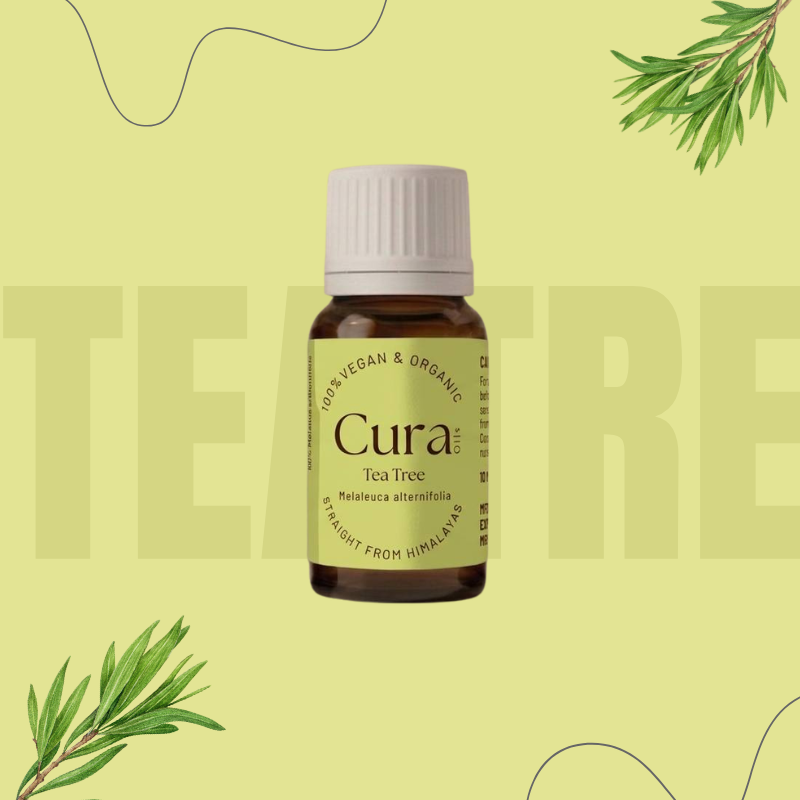
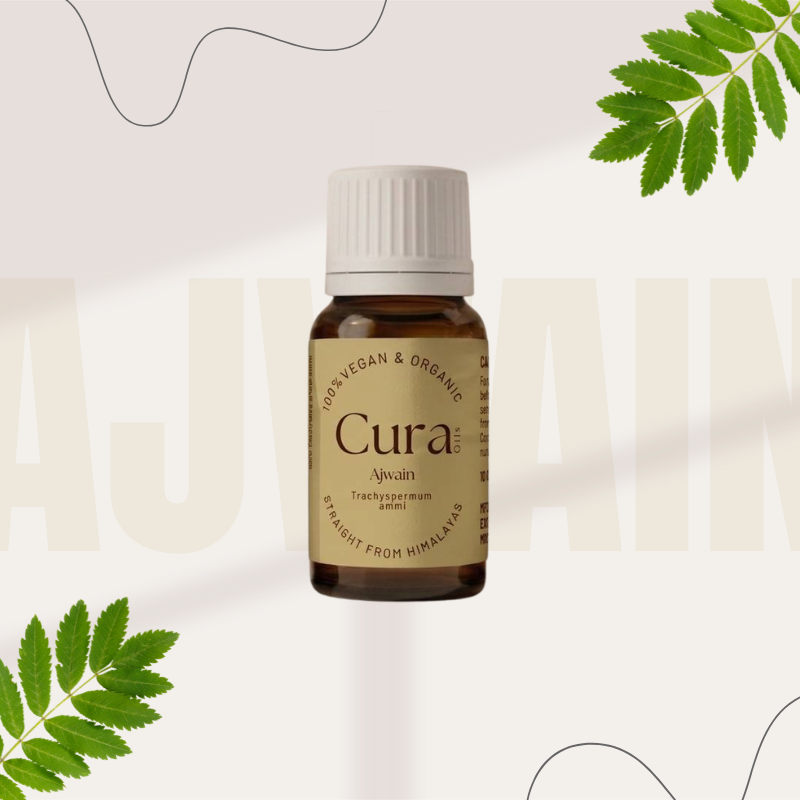
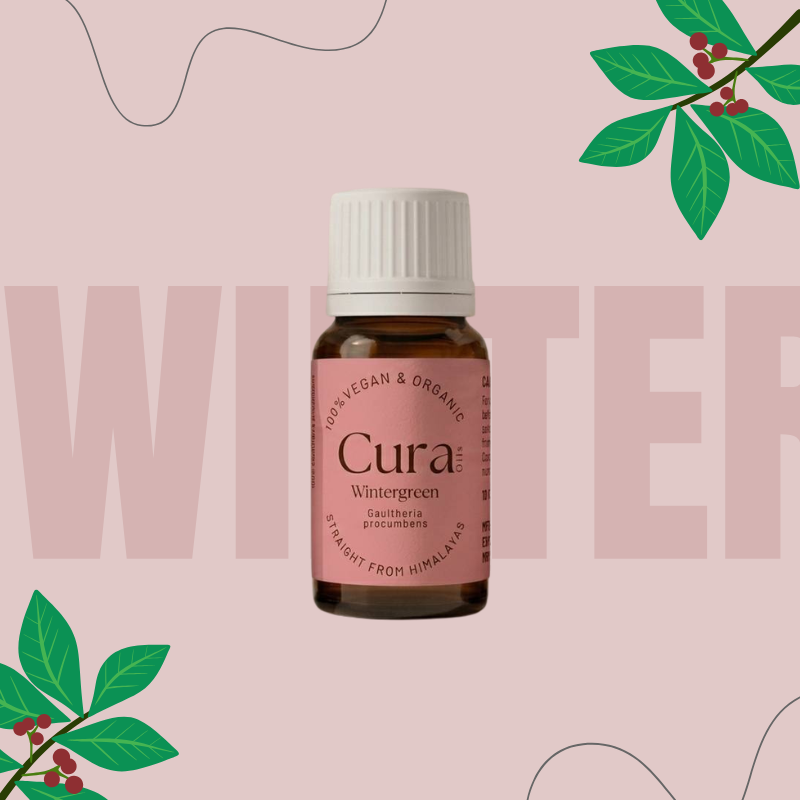
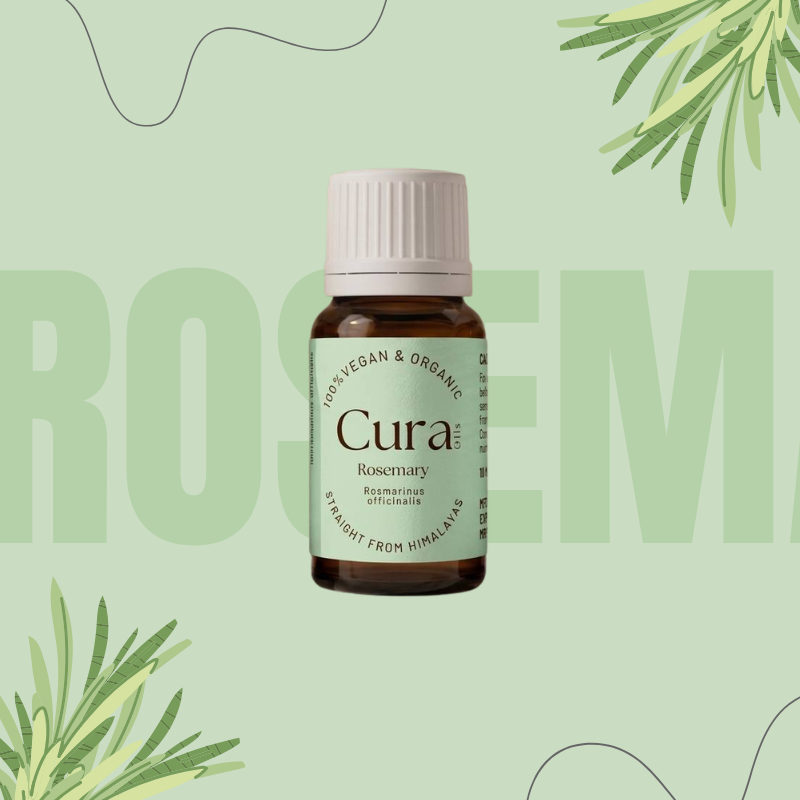
Related products
₹899.99
₹799.99
₹1,099.99
₹1,099.00
₹799.99
Reviews
There are no reviews yet.