
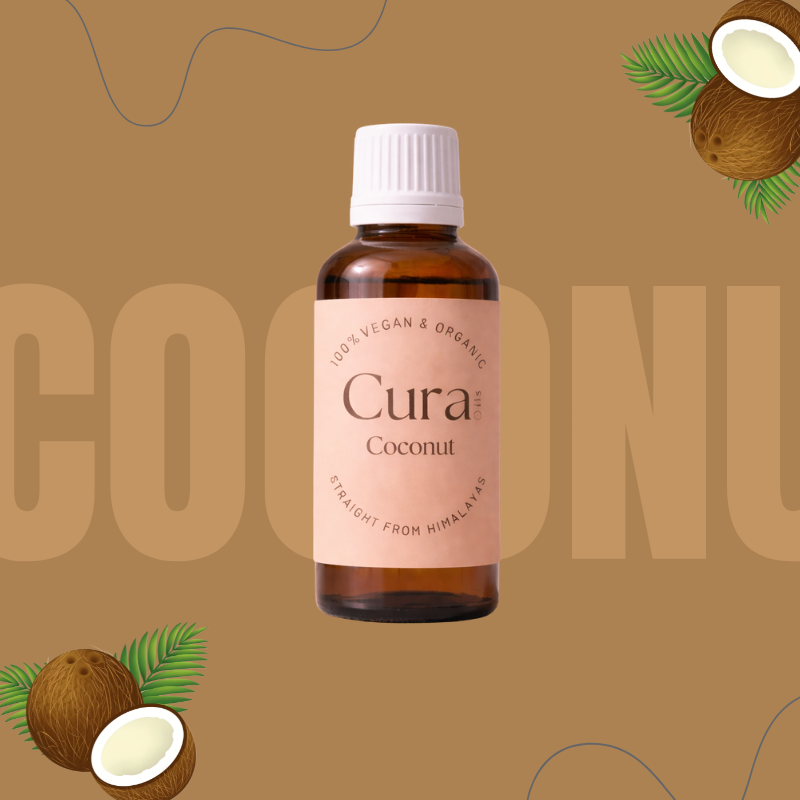
Coconut Oil
From the soft inner part of ripe coconuts comes an oil seen often on shelves and in routines. While both processed and raw versions exist, many lean toward the unprocessed kind when applying to skin or hair. Its scent stays true, nutrients stay intact, plus protection from damage remains strong in the untouched version. Most research around plant-based oils includes this one early and often.
Most of it comes from medium chain fatty acids- about 50% being lauric acid – that bring strong germ-fighting, soothing, and intense hydration traits. Because these fats are shorter, coconut oil slips into skin and hair better compared to numerous alternative oils.
Price
How Does It Work?
Coconut oil works through several mechanisms:
- Moisture Retention: Water stays put because a shield forms across the outer skin. This barrier holds hydration in while blocking escape through the surface.
- Antimicrobial action: From inside the gut, lauric acid turns into monolaurin – which can break down outer layers of harmful microbes like bacteria and yeast. This shift helps guard the skin against possible infections by weakening unwanted invaders.
- Anti-inflammatory: Redness fades when inflammation takes a step back. Irritation quiets down as cytokine activity drops. Eczema feels less intense because of how the skin reacts differently now. Dermatitis symptoms soften with consistent change underneath.
- Skin barrier repair: When your skin feels off, it helps rebuild its outer shield. This one steps in where protection has weakened. Think of it like a backup for delicate areas. It works quietly on what’s already there. Not flashy – just steady support when things feel raw. For those moments when sensitivity takes over, it adds quiet strength. The result? A calmer surface that holds moisture better.
- Hair penetration: Deep inside each hair strand, organic coconut oil slips through where most oils just sit on top. Because it reaches the core, less protein washes out over time. Strength builds up naturally, while a soft glow appears. Not every oil works this way – coconut moves deeper than the rest.
How to Use Organic Coconut Oil?
On skin
- A little goes on well after washing, when the skin still holds some moisture – rub it using circles. Works nicely for daily hydration, smooth application over limbs, or as a foundation during rubs.
- Use it as a makeup remover– Start by spreading it across your skin, then lift off using a damp towel. Finish with soft strokes to clear everything cleanly.
- Before sleep, spread on rough heel patches. Overnight, let it work on split skin spots. Rub into parched elbow zones nightly. Let time do the rest while you rest.
- Use as a gentle carrier oil to dilute essential oils before applying to skin.
On hair
- Pre-wash treatment – Apply to each strand fully, starting at the scalp and moving down to the ends. Roughly half an hour to one full hour ahead of your wash works best for shielding hair proteins.
- Start at the tips when your strands feel rough. Warm a small drop in your hands before slipping it through split ends. Smooth slowly to calm flyaways, leaving behind soft light instead of crunch. Finish by letting hair fall naturally – no tugging, just glide.
- Start by warming it a touch before working through the scalp. This feeds hair roots while easing dry patches at once. A little effort here brings comfort plus support where needed most.
Blending tip
Organic Coconut oil is an excellent base carrier oil — it blends well with virtually all essential oils. Use it at 50–100% of your blend depending on the application.
Frequently Asked Questions
- Can coconut oil clog pores?
Oil from coconuts scores near the top for pore blockage, so folks dealing with spots might want to steer clear on their face. For anyone wrestling with shiny or troubled complexion zones, better luck slathering it on arms, legs, or strands instead. Washed-off uses? That counts too – think cleansing wipes that vanish down the drain. Leave it sitting on cheekbones only if breakouts aren’t knocking at your door.
-
What is the difference between virgin and refined coconut oil?
Most folks pick virgin coconut oil when caring for skin. This kind gets pressed without heat or added stuff, keeping good things like antioxidants intact. Instead of using high temps, makers rely on cool methods that guard its original smell plus goodness. On the flip side, refined versions face heating during processing, sometimes losing a bit of their natural edge. Smell fades too, turning milder after treatments like steaming. While both work, unprocessed types tend to stay richer in what skin likes. The untouched version holds onto its aroma, which many find pleasant.
-
Can I use coconut oil on my baby’s skin?
True. For babies, virgin coconut oil tends to be kind on delicate skin – research even backs its safety as a newborn moisturizer. Cradle cap? Dry spots? Even slight eczema flare-ups? This oil may calm them down. Testing a small area ahead of time makes sense though.
-
How should I store coconut oil?
Keep it somewhere in a dry and cool room. When temps dip under 24°C, it hardens – that’s just how it behaves. Heat past that point turns it runny, which also counts as regular. Lasts well for up to two years if left sealed. Going between forms isn’t a sign it’s gone bad.
-
Q5. Can coconut oil be used as a massage oil?
Smooth. That’s how it feels when you rub it on. One reason people reach for this oil so often. Nourishment follows, deep into the skin. A mild fragrance rises – not strong, just there. Soaking in happens fast. Grease? Not really. Leaves a clean kind of finish behind.
Related products
₹799.99
₹1,099.00
₹799.99
₹999.99
₹1,799.99
Reviews
There are no reviews yet.